Phase 1 of the STANDARDS Technician Training Program focuses on building a strong foundation through classroom-based instruction, where participants learn the core principles of plumbing including water, sewer, and gas systems, diagnostics, estimating, and customer communication. This phase also emphasizes professionalism, covering topics such as service standards, appearance, and the use of industry software like ServiceTitan—ensuring trainees understand both the technical and customer-facing aspects of the role.
Phase 2 transitions participants into a hands-on training environment, where they apply what they’ve learned using real tools and equipment in a state-of-the-art facility. Trainees gain practical experience operating machines such as hydro jetters, augers, and sewer equipment, while performing basic installations and repairs including water heaters, fixtures, and clean-outs—preparing them to confidently perform in real-world job conditions.
The STANDARDS Technician Training Program is a comprehensive, six-month development program designed to produce highly skilled, job-ready plumbing professionals. Through a structured two-phase approach, participants begin with 12 weeks of classroom instruction covering water, sewer, and gas systems, diagnostics, estimating, customer communication, and industry-leading software such as ServiceTitan. They then transition into 12 weeks of hands-on training in a state-of-the-art facility, where they gain real-world experience operating professional equipment and performing essential installations and repairs. By combining technical expertise with professional standards and customer-focused training, STANDARDS ensures every graduate is prepared to perform at a high level from day one—providing plumbing companies with a reliable pipeline of trained, confident technicians ready to contribute immediately.
Our Training Facility
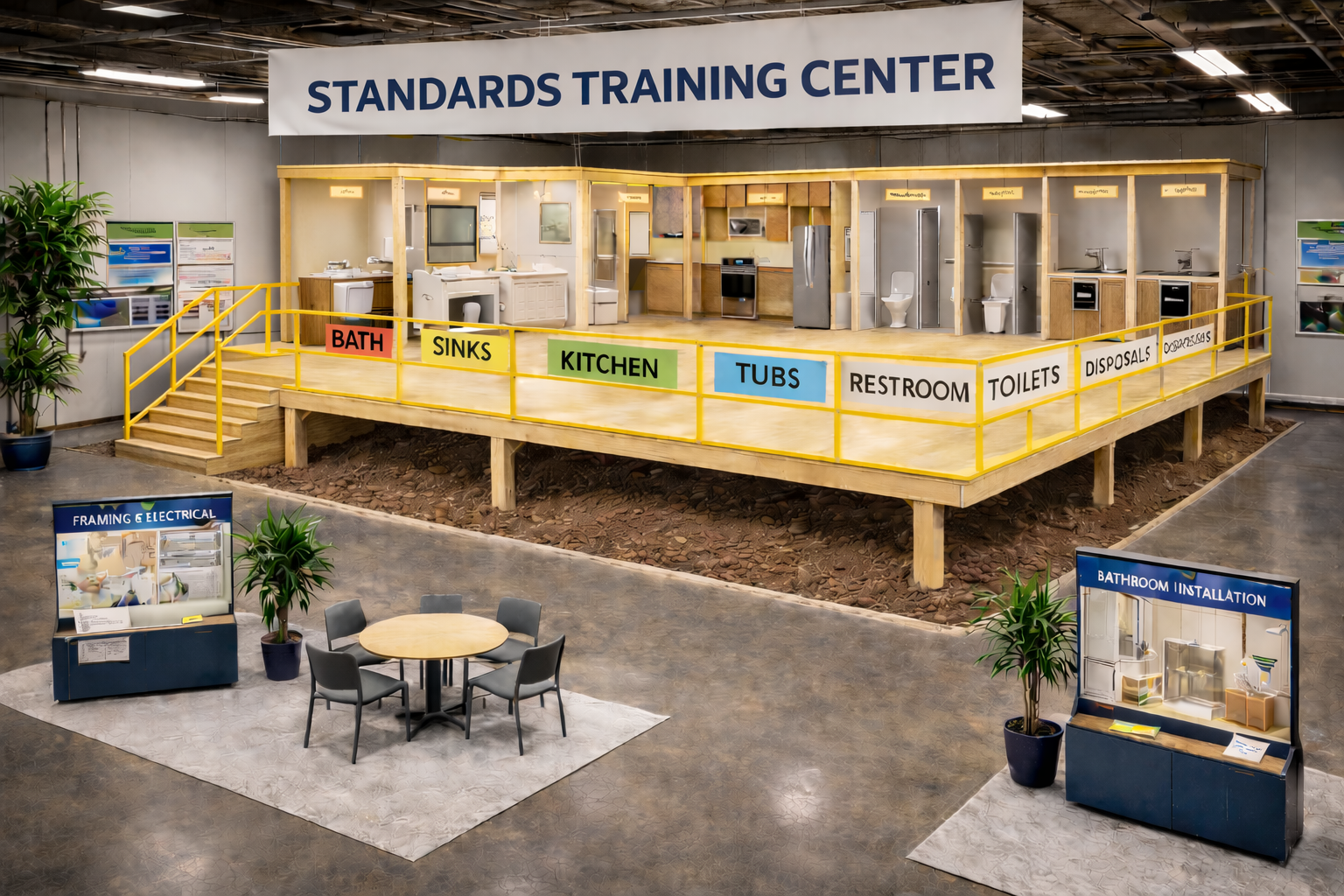
The STANDARDS state-of-the-art training facility is designed to provide real-life, hands-on experience. Students are equipped with individual workstations that simulate a real home environment, allowing them to train in practical, job-ready conditions. Participants can crawl under structures, work on active water, sewer, and gas systems, and gain direct experience performing installations such as toilets, sinks, faucets, water heaters, and both PEX and copper piping. This immersive setup ensures every student develops the confidence and technical skill needed to perform in the field.
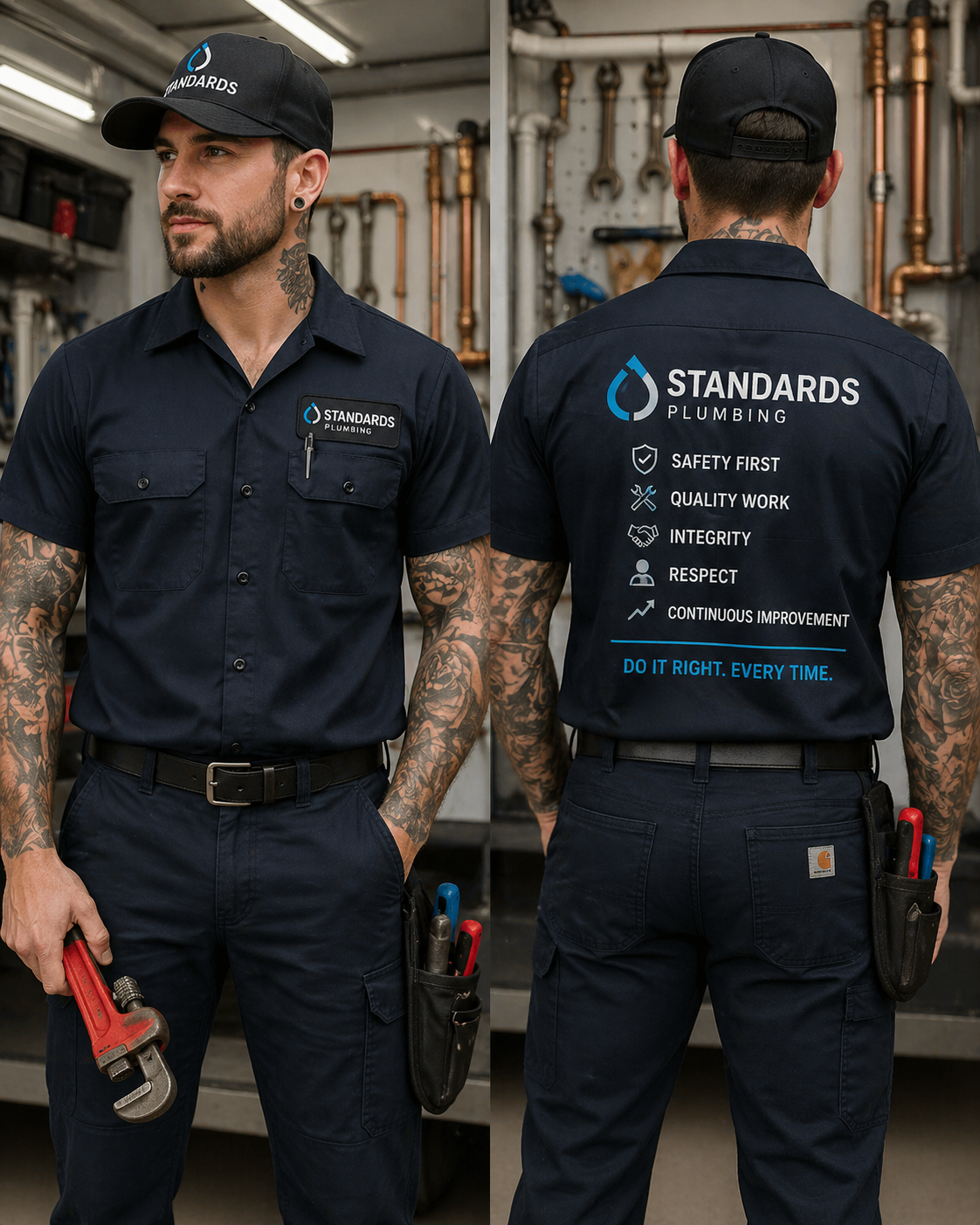
Our facility sets the tone for what it means to be a professional technician. The environment is clean, organized, and structured to mirror real job sites and service expectations. From the classroom to the hands-on training stations, every area reflects the standards we expect in the field—attention to detail, respect for the workspace, and pride in presentation. Students are trained to treat the facility like a customer’s home, maintaining cleanliness, using proper PPE, and following procedures at all times.
Classroom Environment
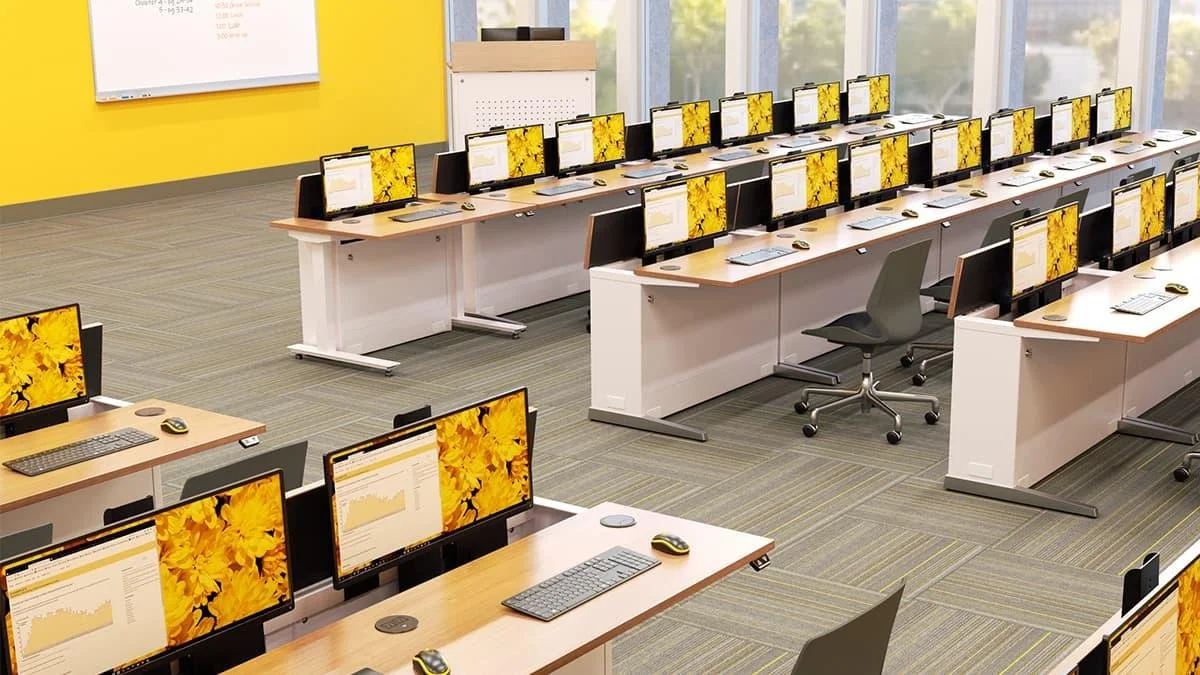
The STANDARDS Training Classroom is designed to create a focused, modern, and highly engaging learning environment that prepares students for real-world plumbing careers. The classroom accommodates up to 20 students and is equipped with individual computer workstations, allowing each participant to access the Learning Management System (LMS) for guided lessons, videos, and interactive training modules.
Hands On Training
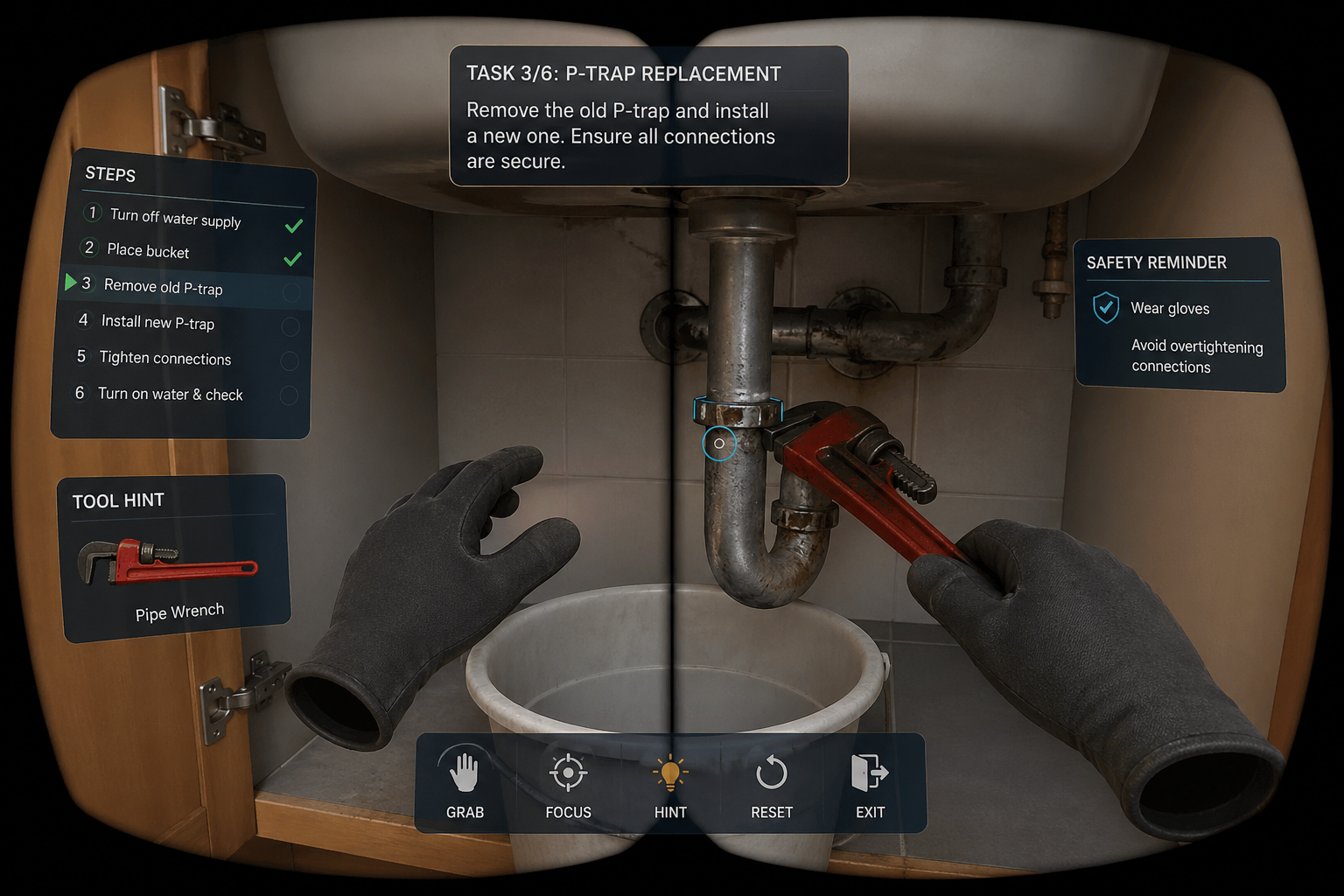
Virtual training technology is a critical tool designed to meet the needs of all participants, regardless of their circumstances or location. For individuals who may not have access to a physical training facility, or for those who may be on restrictions or in confined environments, VR training provides an opportunity to continue progressing through the program without setbacks. This ensures that every participant has equal access to learning and development, removing barriers that would otherwise
Virtual Reality Experience
Virtual training technology is a critical tool designed to meet the needs of all participants, regardless of their circumstances or location. For individuals who may not have access to a physical training facility, or for those who may be on restrictions or in confined environments, VR training provides an opportunity to continue progressing through the program without setbacks. This ensures that every participant has equal access to learning and development, removing barriers that would otherwise